





Cleft lip repair scars sit in one of the most visible, most delicate spots on the body — a newborn's upper lip — and choosing what (if anything) goes on that skin deserves more care than a generic scar-cream review can offer.
- Rejuvasil Silicone Scar Gel is the easiest daily pick for a cleft lip repair scar once a surgeon clears topical use — Buy.
- Scar Fx Silicone Sheet 1.25" squares cut down to fit a lip-length scar without covering the mouth — Buy.
- Scar Esthetique Silicone Scar Cream suits parents who want a cream instead of an adhesive sheet — Buy.
- Never apply adult-strength retinoid or steroid scar products to infant skin — Skip.
- Most surgeons clear topical scar care around 4 to 6 weeks post-op, once sutures are fully absorbed or removed.
Why this matters
A cleft lip repair scar forms on skin that's still maturing, on a face that's still growing, in a spot the baby touches, mouths, and rubs constantly. The scar tissue itself behaves like any other surgical scar — it goes through an inflammatory phase, then remodeling, then months of gradual fading — but the environment around it (feeding, drooling, tiny hands) makes product choice and format matter more than usual.
Rejuvaskin's clinical skincare line built its scar category around silicone, the ingredient most consistently referenced in scar-management literature for reducing thickness and redness in healing incisions. That matters here because silicone-based scar cream and silicone sheeting are also the two formats surgeons most commonly clear for pediatric and facial use, as opposed to retinoid or steroid-based products meant for adult skin.
Who this guide is for
This is written for parents and caregivers managing a cleft lip surgery scar in an infant, typically somewhere in the 3-to-9-month range after primary repair, once a pediatric plastic surgeon or craniofacial team has signed off on topical scar care. It's not written for older children with a healed cleft scar looking to fade discoloration years later — that's a different timeline with different products. If your infant's incision is still open, scabbed, or draining, this guide isn't for you yet — that's a conversation for your surgical team first.
What to look for in a scar product for an infant's cleft lip scar
Surgeon clearance before day one
No scar cream, gel, or sheet should touch a cleft lip repair scar until the surgical team says the incision is closed and ready. Most craniofacial surgeons clear topical scar care around 4 to 6 weeks post-op, but timing varies by technique and healing speed, so this is the one step you don't skip or guess on.
Silicone as the active ingredient, not a filler additive
Silicone gel and silicone sheeting are the two formats most frequently referenced across scar-management literature for softening and flattening healing scars. A product that lists silicone dioxide or dimethicone as a minor ingredient behind fragrance and dyes isn't the same category — you want silicone doing the actual work.
Fragrance-free and dye-free formulation
Infant skin has a thinner barrier and higher surface-area-to-body-weight ratio than adult skin, meaning topical irritants absorb faster and cause more visible reaction. Fragrance and dye are the two most common irritant culprits in scar products built for adults, and neither belongs anywhere near a baby's mouth.
Small, cuttable format sized to the scar, not the tube
A cleft lip repair scar typically runs under an inch. A sheet or patch sized for a six-inch abdominal incision has to be trimmed down anyway, so starting with a small-format sheet — something in the 1-inch to 1.5-inch range — saves waste and keeps adhesive off skin near the nose and mouth that doesn't need coverage.
Low-friction application for a moving target
Applying anything to a wriggling four-month-old takes seconds, not minutes. A gel or cream that rubs in quickly beats a sheet that needs precise placement and 10-15 seconds of hold time, especially for a first-time user still learning the routine.
No steroids, no retinoids, no chemical peels
Hydroquinone, tretinoin, and topical steroids show up in adult scar-fading products and have no place on infant skin without direct physician instruction. If a product markets itself for "stubborn old scars" or "deep fading," it's built for adult tissue, not a healing four-month-old incision.
Top picks for cleft lip scar care in 2026
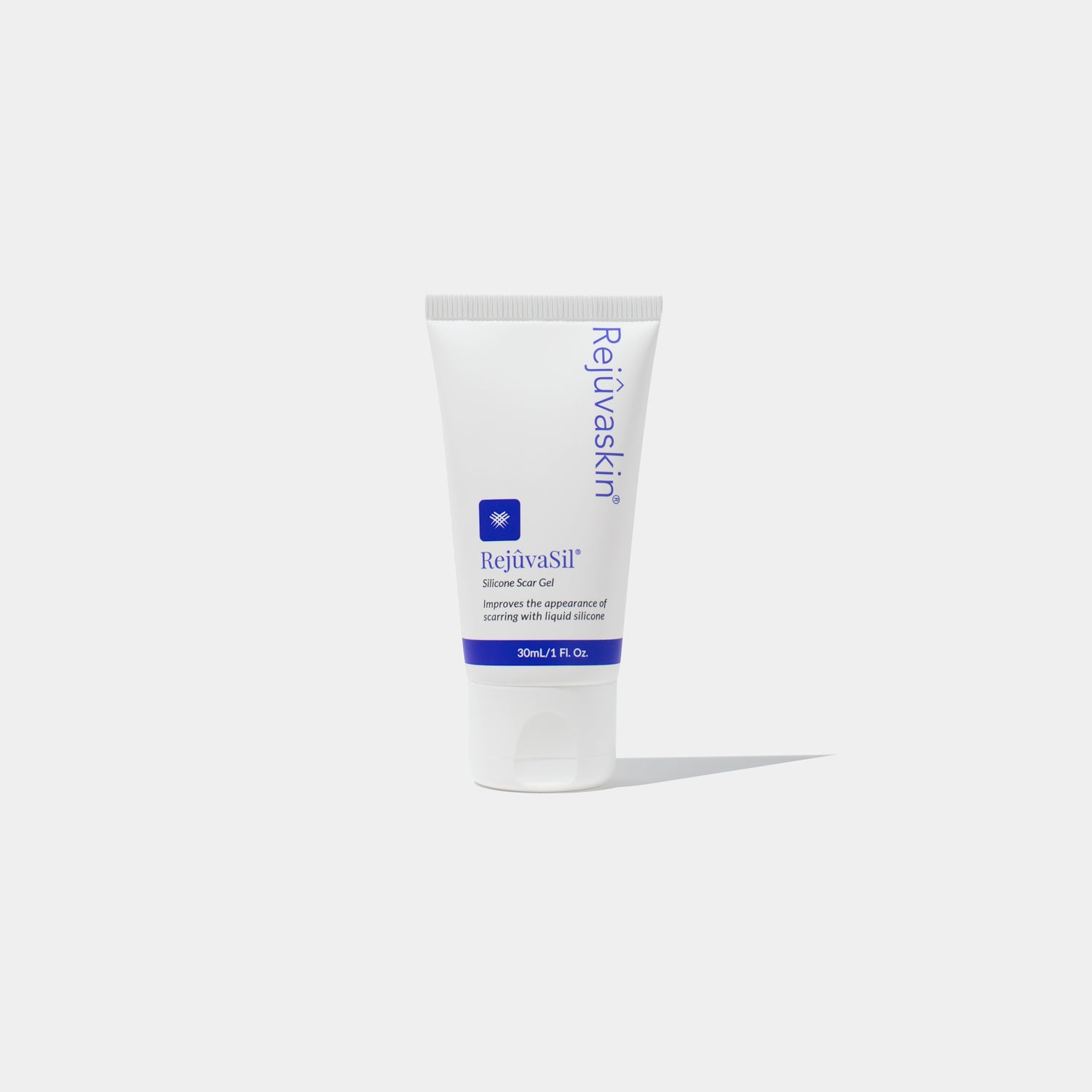
Rejuvasil Silicone Scar Gel — the easiest daily pick. This is a fragrance-free silicone gel formulated to sit over a healing scar without the adhesive-and-placement fuss of a sheet. For a lip-length scar, a small dab applied with a clean fingertip covers the area in under 10 seconds, which matters when your applicator is an infant who won't hold still. Verdict: Buy once your surgical team clears topical care — check Rejuvasil Silicone Scar Gel against your surgeon's specific guidance first.
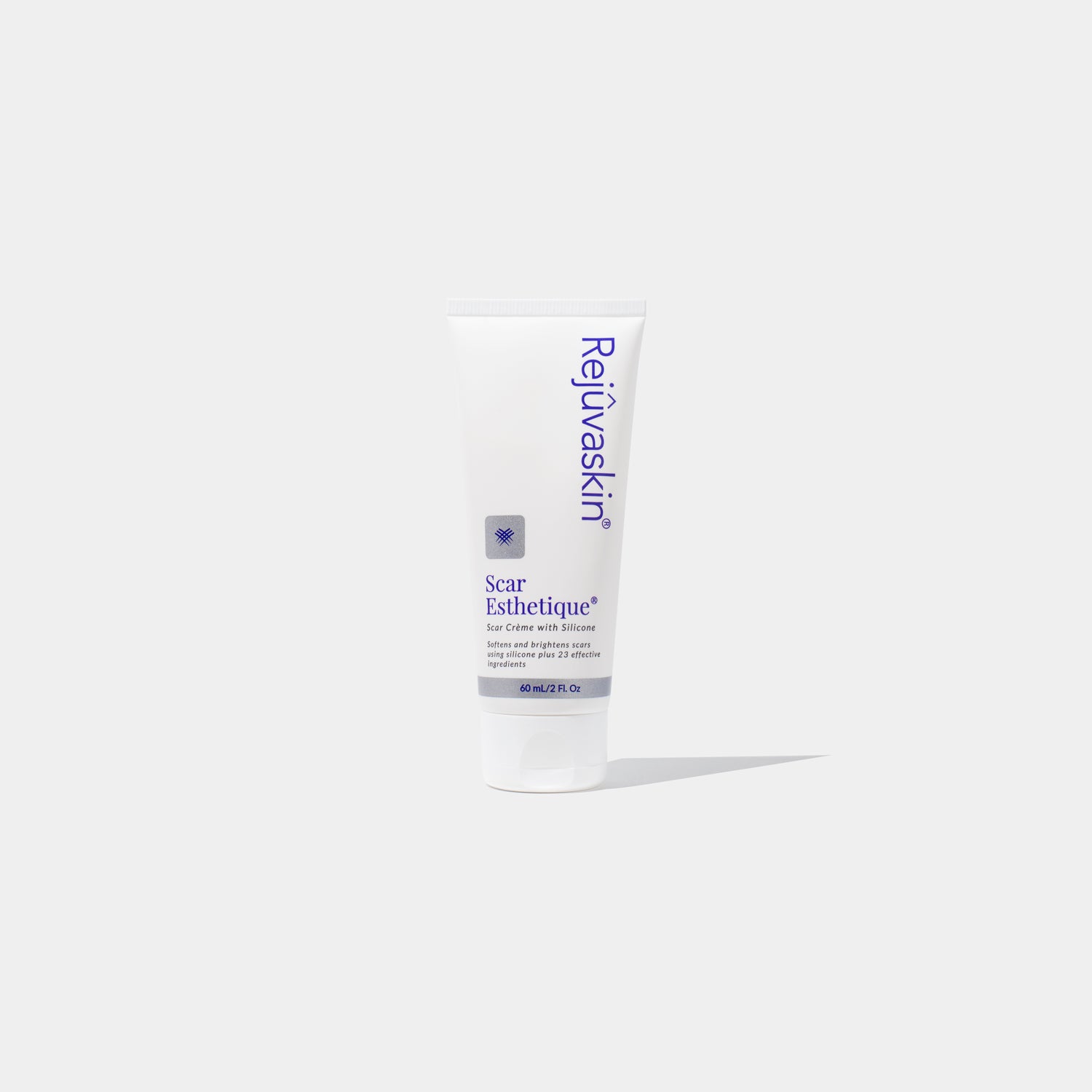
Scar Esthetique Silicone Scar Cream — for parents who want cream over sheeting. A silicone-based cream option rather than a gel, this suits caregivers who find a slightly thicker texture easier to control and see on a small scar area. It layers into a daily routine without needing to be peeled off before bath time. Verdict: Buy for parents prioritizing a cream texture — see Scar Esthetique Silicone Scar Cream for full ingredient details.
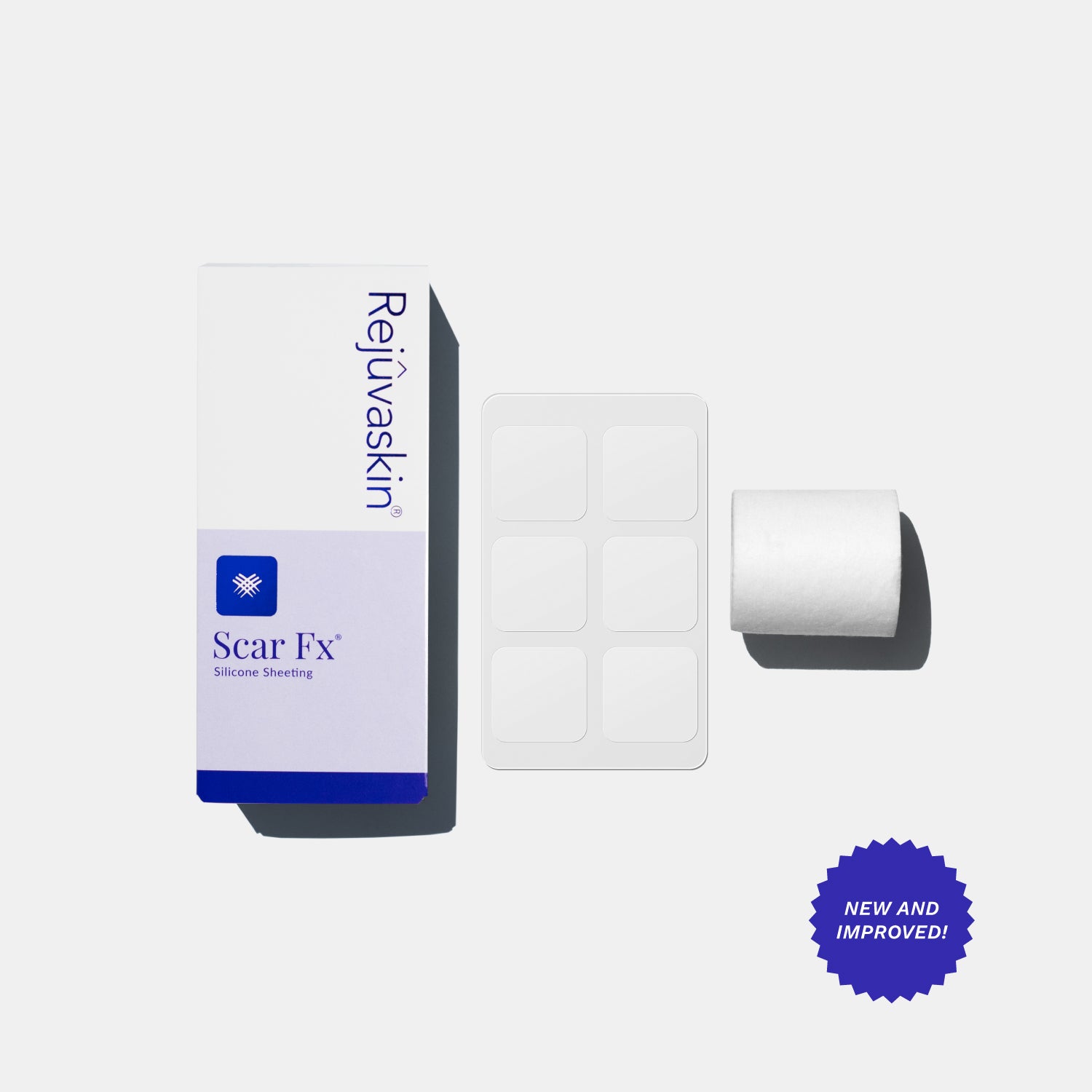
Scar Fx Silicone Sheet, (6) 1.25" squares — the cut-to-size pick. Six pre-cut small squares mean you can trim one down to the exact scar length without wasting a full-size sheet meant for a much larger incision. That's the practical advantage for a lip scar under an inch: no scissors-and-guesswork on a full sheet, no leftover adhesive stuck to skin that didn't need coverage. Verdict: Buy for anyone who wants sheeting over gel, but wants it sized right — see Scar Fx Silicone Sheet options before ordering a larger format by mistake.
A full-size Scar Fx sheet (4" x 8" or larger) — the wrong-size pick. These sizes exist for torso and abdominal incisions, not a lip scar. Cutting one down works in a pinch, but you're paying for square inches of silicone you'll throw away, and the leftover adhesive backing near a baby's face is an unnecessary complication. Verdict: Skip for this use case — reach for the small-format sheet instead.
What to avoid
- Scar oils marketed for stretch marks or body scars. These often carry fragrance loads and essential oils formulated for adult torso skin, not a facial incision an infant can mouth or rub into their eyes.
- "Advanced fading" creams built around retinoids or hydroquinone. These target pigmentation in mature, healed scars years out — not an active healing incision in 2026 on a baby under a year old.
- One-size-fits-all large sheets applied without trimming. Adhesive covering skin near the nostrils or mouth line raises irritation risk for no scar-coverage benefit.
Verdict comparison
| Product | Format | Fragrance-free | Best for | Verdict |
|---|---|---|---|---|
| Rejuvasil Silicone Scar Gel | Gel | Yes | Fast daily application | Buy |
| Scar Esthetique Silicone Scar Cream | Cream | Yes | Parents who prefer cream texture | Buy |
| Scar Fx Silicone Sheet, 1.25" (6-pack) | Cuttable sheet | Yes | Precise, small-scar sizing | Buy |
| Full-size Scar Fx sheet (4"x8"+) | Large sheet | Yes | Torso/abdominal incisions | Skip for lip scars |
“A sheet sized for a torso incision is still the wrong sheet for a lip scar, even after you cut it down.”
FAQ
What's the best scar cream for cleft lip surgery scars in infants?
A fragrance-free silicone gel or cream, such as Rejuvasil Silicone Scar Gel or Scar Esthetique Silicone Scar Cream, is the standard recommendation once a surgeon clears topical scar care. Silicone is the ingredient most consistently referenced for softening and flattening healing scars in surgical literature.
Is silicone gel or silicone sheeting better for infant scars?
Gel applies faster and doesn't need precise placement, which makes it easier for a first-time caregiver managing a moving infant. Sheeting can offer more consistent coverage but requires cutting to size and steady placement, which takes practice on a small face.
How soon after cleft lip surgery can you start scar treatment?
Most craniofacial surgeons clear topical scar products around 4 to 6 weeks post-op, once the incision is fully closed. Timing depends on the specific repair technique and healing pace, so confirm with your surgical team before starting anything.
Is Rejuvaskin scar cream safe for babies?
Rejuvaskin's silicone-based scar products are formulated without fragrance or dye, which are the two most common irritants in scar products built for adult skin. Use on an infant should still follow your surgeon's specific clearance and instructions for the incision.
How long does a cleft lip scar take to fade?
Surgical scars generally go through 12 to 18 months of remodeling before reaching their final appearance, with the most visible fading happening in the first 6 months. Consistent silicone use during that window is when it does the most work.
Can you use sunscreen on a healing cleft lip scar?
Once a scar is closed and cleared for topical products, sun protection matters because fresh scar tissue tans and darkens permanently more easily than surrounding skin. Ask your surgeon when mineral sunscreen can be introduced for your infant's specific timeline.
Do silicone scar sheets work on the face?
Yes, silicone sheeting is commonly used on facial scars when cut to the right size, but adhesive placement near the mouth and nose needs extra care in infants. A small pre-cut format, like a 1.25 inch square trimmed down, works better than a large sheet cut down after the fact.
How much does silicone scar sheeting cost?
Small-format silicone sheets from Rejuvaskin run from roughly $38.95 to $47.95 as of 2026, depending on size and pack count. Larger sheets built for torso or abdominal scars cost more but aren't the right size for a cleft lip scar.
One last thing
The detail most parents miss isn't the product — it's the sun. A fresh cleft lip scar that gets unprotected sun exposure in its first year can darken permanently, and that discoloration is far harder to fade later than the scar texture itself ever was. Once your surgeon clears sun exposure for the healed area, that's the point where consistent protection matters as much as the silicone did in month one.
For more on sizing silicone sheeting correctly for a small scar, Rejuvaskin's guide on silicone scar gel for children's scars walks through the same trimming and application questions parents ask about older kids' scars, most of which carry over directly to infant care.
Leave a comment